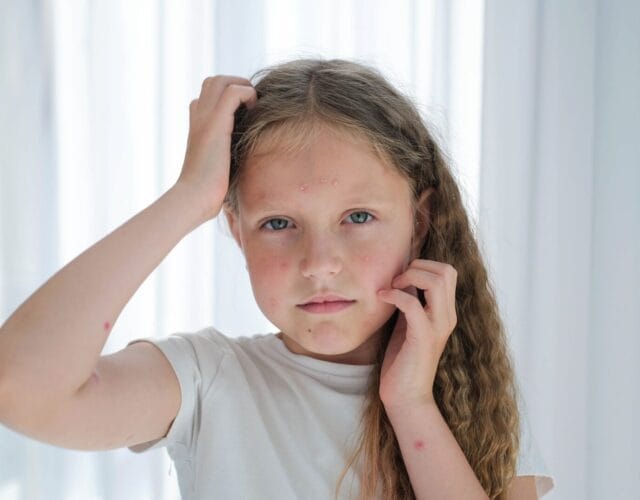
The 12 Triggers You Need to Know
I hear it every day in my clinic: “Dr. Ana-Maria, we were doing so well, and then out of nowhere, the rash is back!” Eczema flare-ups are rarely “random.” They are the body’s way of sounding an alarm. Think of your body like a bucket. You can handle a little bit of stress, a little bit of sugar, and maybe some pollen. But when that bucket overflows, the “spill” happens on your skin.
To heal for good, we have to identify which “faucets” are filling your bucket too fast. Here are the 12 most common triggers I see in my holistic practice.
The “Internal” Triggers: What’s Happening Inside
1. The “Big 3” Food Triggers (Dairy, Gluten, Sugar)
In about 80% of my pediatric cases, Dairy is the #1 culprit. Cow’s milk protein is highly inflammatory for sensitive immune systems. Gluten increases gut permeability (leaky gut), and Refined Sugar feeds the “bad” bacteria and yeast that drive skin inflammation.
2. Gut Dysbiosis & Leaky Gut
If your microbiome is out of balance, your immune system stays in a state of high alert. When the gut lining is “leaky,” undigested food particles enter the bloodstream, and the skin, your largest organ of elimination, tries to push those toxins out.
3. Chronic Stress & Cortisol
Stress isn’t just a feeling; it’s a chemical reaction. High cortisol levels thin the skin barrier and suppress the immune system’s ability to fight off skin infections like Staph.
4. Nutrient Deficiencies
If you are low in Vitamin D, Zinc, or Omega-3s, your skin lacks the “bricks and mortar” it needs to stay sealed. Without a strong barrier, moisture escapes, and irritants get in.
Explore Our Eczema Creams Guide To Find The Right Treatment for You
The “External” Triggers: What’s Hitting Your Skin
5. Harsh Fragrances & Chemicals
“Parfum” or “Fragrance” is a catch-all term for thousands of hidden chemicals. From your laundry detergent to your shampoo, these are potent skin irritants that can trigger a flare within minutes of contact.
6. Environmental Allergens (Pollen, Dust Mites, Pet Dander)
Many people have “Seasonal Eczema.” When the pollen count rises, the immune system overreacts, triggering systemic inflammation that manifests as itchy patches.
7. Temperature Extremes & Humidity
Sweat is salty and acidic, which can irritate broken skin. On the flip side, dry winter air sucks the moisture right out of your cells. Both can lead to a massive flare.
8. Secondary Infections (Staph & Yeast)
If your eczema is “weepy” or has a honey-colored crust, you likely have a Staphylococcus aureus overgrowth. This bacterium produces toxins that keep the skin inflamed.
The “Hidden” Triggers: The Ones People Miss
9. Heavy Metals (Nickel & Cobalt)
If you have stubborn hand or foot eczema (dyshidrotic), you might be reacting to dietary nickel. Foods like oats, chocolate, and nuts are high in nickel and can be a secret trigger for many.
10. Blue Light & Screen Time
This surprises people! Overexposure to blue light from tablets and phones can disrupt your circadian rhythm and increase oxidative stress in the skin.
11. Tap Water Chlorine
The chlorine used to treat city water is effective at killing bacteria in pipes, but it’s harmful to the “good” bacteria on your skin. A chlorine filter for your shower can be a game-changer.
12. Mold Exposure
Hidden mold in your home or school can keep the immune system in a constant state of “fight or flight.” If your eczema only flares when you’re in a specific building, mold is the first thing I investigate.
Dr. Ana-Maria’s “Trigger Detective” Protocol
- Keep a Flare Journal: Note down what you ate, the weather, and your stress levels for 48 hours before a flare appears.
- The “Clean Sweep”: Swap your laundry detergent and soaps for truly non-toxic, fragrance-free options.
- Test, Don’t Guess: If you’re stuck, work with a holistic provider to check your Vitamin D levels and gut microbiome.
Frequently Asked Questions
How long after a trigger does a flare happen? It depends! A contact irritant (like a new soap) can cause a flare in minutes. A food trigger (like dairy) can take up to 72 hours to show up on the skin.
Can I ever eat my “trigger” foods again? Often, yes! Once we heal the gut and calm the immune system, many people find they can tolerate small amounts of their previous triggers without a flare.
Is sweat a trigger for everyone? Not everyone, but it is common. If sweat irritates you, rinse off with plain, cool water immediately after exercise and apply a barrier balm like Beef Tallow.
Solving the Puzzle: Mastering Your Skin’s Internal Language
Finding your triggers is like solving a puzzle. It takes patience, but it is the only way to move from “managing” eczema to truly healing it. You don’t have to live in a bubble; you just need to know what your body is trying to tell you.