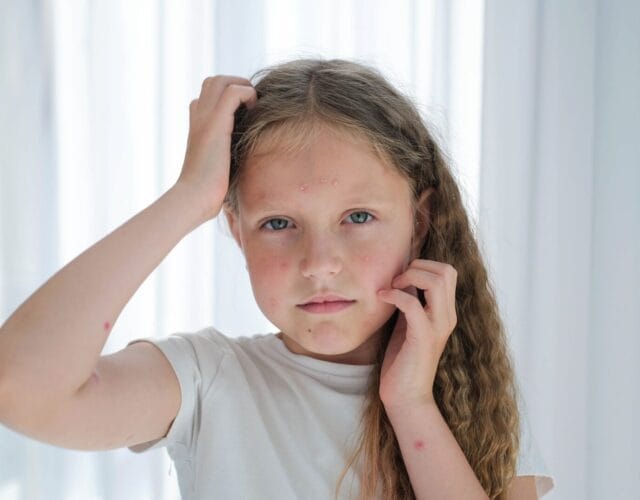
If you have a child with eczema, bath time can be a source of major anxiety. You want them clean, but you watch in heartbreak as their skin turns bright red the moment it hits the water. Most conventional “baby washes”, even the ones labeled “sensitive” or “dermatologist-tested”, contain detergents that are essentially the same as what you’d use to degrease a car engine.
As a holistic pediatrician, I want you to shift your mindset. We aren’t just “washing” the skin; we are trying to preserve the acid mantle and the skin microbiome. If your body wash creates a mountain of bubbles, it’s likely disrupting your child’s skin barrier.
Explore Our Eczema Creams Guide To Find The Right Treatment for You
The “Dirty” Secrets of Standard Body Wash
To find the best body wash, we first have to know what to avoid. Many “top-selling” brands for kids contain:
- Sulfates (SLS/SLES): These are surfactants that create foam but are notorious for stripping the lipids (fats) that keep the skin barrier sealed.
- Synthetic Fragrance: This is a “black box” term that can hide hundreds of chemicals, including phthalates, which are known skin irritants and endocrine disruptors.
- Phenoxyethanol: A preservative that can be extremely irritating to broken or “weepy” eczema skin.
- Methylisothiazolinone (MI): A potent allergen that has caused an epidemic of contact dermatitis in children.
What to Look For in a Holistic Body Wash
The goal is to find a “non-soap” cleanser or a very mild, oil-based wash that leaves the skin feeling slippery, not “squeaky clean.”
1. pH Balanced
Eczema skin thrives at a slightly acidic pH (around 4.5 to 5.5). Most bar soaps are highly alkaline (pH of 9 or 10), which neutralizes the skin’s natural defenses and allows Staph bacteria to grow.
2. Saponified Oils over Detergents
Look for traditional saponified oils (like olive or jojoba) or plant-based surfactants like decyl glucoside or coco-glucoside. These are much gentler on the skin cells.
3. Prebiotics
Some of my favorite holistic washes now include prebiotics to “feed” the good bacteria on the skin, helping to crowd out the organisms that cause flares.
Dr. Ana-Maria’s Bath-Time Protocol
- The “Dirty Bits” Only Rule: You don’t need to soap your child’s entire body every day. Use the body wash only on the “dirty bits”, the diaper area, underarms, and feet. Let the rest of the skin just enjoy a lukewarm water rinse.
- Temperature Control: Keep the water lukewarm. If the bathroom is steamy, the water is too hot. Hot water triggers histamine and sucks moisture out of the skin.
- The 3-Minute Window: As soon as you pat your child dry, you have 3 minutes to apply a thick barrier balm like Beef Tallow to lock in that moisture.
Frequently Asked Questions
Is “Castile Soap” good for eczema? While it is natural, pure Castile soap is very alkaline. If you use it, I recommend diluting it significantly and adding a splash of Apple Cider Vinegar to the bathwater to lower the pH.
Should I use an antibacterial wash for infected eczema? No. These are too harsh. If there is a secondary infection, I prefer a Hypochlorous Acid spray or a diluted ACV soak, which kills the bad bugs without nuking the good ones.
Can I just use water? For many kids, yes! Especially during a flare, “water-only” baths for a few days can give the skin barrier a chance to rest and repair itself without any chemical interference.
Best Body Wash for Eczema
Choosing the right body wash is about more than just avoiding “tears.” It’s about respecting the delicate biology of your child’s skin. When you stop stripping the barrier with harsh chemicals and start nourishing it with clean, pH-balanced ingredients, you’ll see the “redness” start to fade.
Continuing our journey through the bathroom cabinet, we have to talk about the “bar” vs. “bottle” debate. While many people think a solid bar of soap is more “natural,” most traditional soaps are actually chemical grenades for an eczema-prone skin barrier.