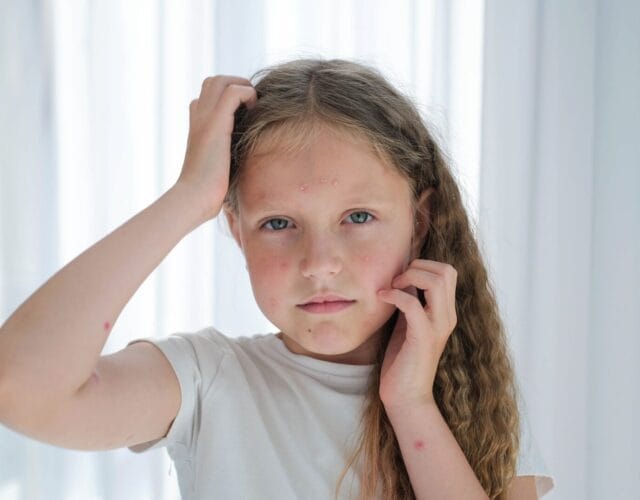
If you have a toddler, you know they are tiny scientists, constantly touching, tasting, and exploring. But for a child with toddler eczema, the world is full of potential triggers. In my practice, the toddler years are often the most challenging; your child is now old enough to scratch with purpose, which can lead to bleeding, scabbing, and secondary infections.
However, this is also the perfect age to move past the “Band-Aid” approach and start healing the gut and calming the immune system for a lifetime of healthy skin.
Explore Our Eczema Creams Guide To Find The Right Treatment for You
How to Identify Eczema in Toddlers
As kids start to crawl and walk, the friction points change:
- The “Flexural” Pattern: Red, dry patches in the “bends” of the body, inside the elbows and behind the knees.
- The Wrists and Ankles: Prone to irritation from clothing cuffs and constant movement.
- The Texture: Often looks like “sandpaper” skin or thickened, leathery patches from chronic scratching.
Common Toddler Triggers
To prevent flares, we have to look at what is filling up your toddler’s “inflammation bucket”:
- Dietary Culprits: Dairy is the #1 trigger I see. Transitioning to cow’s milk often triggers a massive skin flare.
- Environmental Irritants: Bubble baths, fragranced detergents, and synthetic fabrics.
- Sweat and Heat: High energy levels mean more sweat, which is highly irritating to a broken skin barrier.
Dr. Ana-Maria’s Toddler Soothing Protocol
If you are tired of trying vinegar soaks and various DIY oils with no lasting results, it is time for a professional, root-cause approach.
Step 1: The “Inside-Out” Repair
If your toddler is flaring, their immune system is overreacting. We must calm the fire from within.
- Strategic Nutrient Support: To repair the skin, the body needs specific building blocks. My Serawise Zinc Gummies provide a professional-grade, highly bioavailable way to ensure your toddler has the minerals needed to prevent skin cells from becoming inflamed.
- Vitamin D3 + K2: This “master regulator” tells the immune system to calm down, which is essential for stopping the chronic flare cycle.
- Professional Probiotics: High-quality, targeted strains are the “internal architects” that help rebuild the immune system from the ground up.
Step 2: Professional Barrier Repair
Stop using harsh, foamy soaps and thin DIY oils that rub off within minutes.
- Bio-Identical Protection: I recommend doctor-formulated solutions at Serawise that utilize bio-identical lipids. These are designed to mimic your child’s natural skin biology, providing a durable physical shield that locks in moisture and keeps external irritants out.
- The “Damp Skin” Rule: Apply your professional barrier balm within 3 minutes of a lukewarm bath to “lock in” hydration.
Step 3: Environmental Cleanse
- The “Soap Swap”: Use only pH-balanced, professional cleansers that respect the skin’s acid mantle.
- Cotton Everything: Use 100% organic cotton for clothing and bedding to allow the skin to breathe.
Frequently Asked Questions
- Will they outgrow it? Many see improvement by age 5, but only if we address the root cause. If we just hide the rash with steroids, the inflammation often “marches” into allergies or asthma later.
- Is it a food allergy? There is a strong connection. However, many toddlers have a food sensitivity (a delayed skin flare) rather than a life-threatening allergy.
- Tired of trying home remedies with no results? You aren’t alone. Professional-grade supplementation and bio-identical skincare are the keys to moving from “managing” a rash to actually healing the root cause.
Building a Resilient Future
Your toddler’s immune system is highly observant. By moving away from temporary DIY fixes and nourishing their body with professional-grade nutrients and non-toxic care, you aren’t just clearing a rash; you are building a resilient immune system for their entire life.