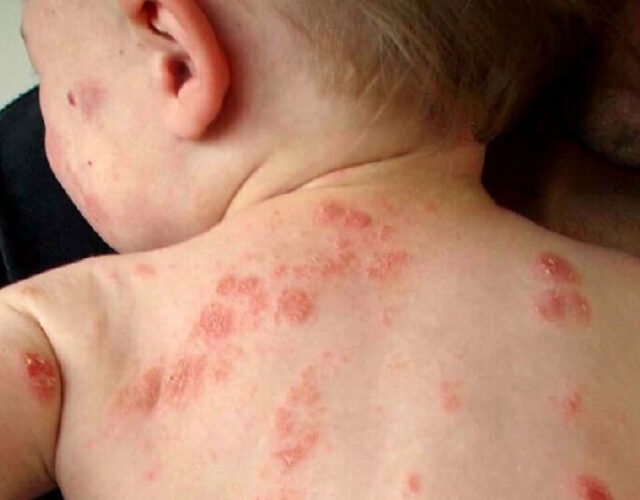
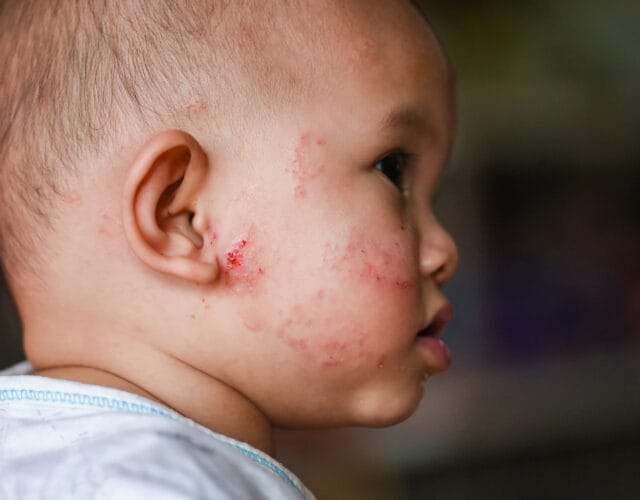
Eczema is far more than just “dry skin.” It is a complex, inflammatory condition that provides a window into your body’s internal health. For years, the traditional medical approach has focused almost exclusively on topical suppression—using steroid creams to “quiet” the skin without ever asking why the skin was screaming in the first place.
As a holistic pediatrician, I have uncovered a game-changing connection among your gut, skin, and immune system. To truly heal, we must move away from the “band-aid” method and address the root triggers: what we eat, environmental toxins, stress, and the health of our internal microbiomes. This guide is designed to empower you with the knowledge to take control of your eczema and see real, lasting change.
Moving Beyond the Surface: What Really Causes Eczema?
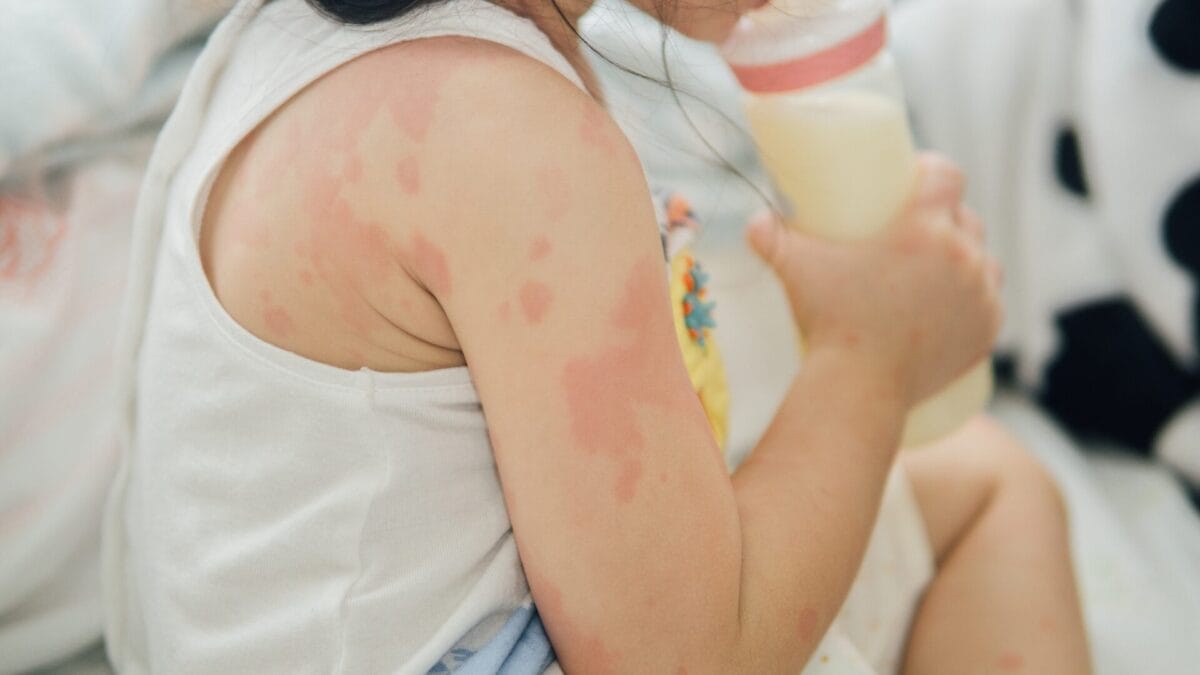
To fix a problem, you must first understand its origins. Eczema is an inflammatory skin condition often characterized by intense itching, redness, and sometimes bloody, weeping lesions. While many are told it is purely a genetic “fate,” the reality is that our environment and lifestyle play a massive role in how these genes are expressed.
Defining the Condition
- A Systemic Response: Eczema is an inflammatory skin condition that reflects a deeper, systemic immune response.
- The Itch-Scratch Cycle: The condition often leads to a vicious cycle in which itching and scratching damage the skin barrier, allowing more irritants in and triggering further inflammation.
- Eczema vs. Psoriasis: While both involve inflammation, they differ in their visual presentation and underlying triggers; eczema is more frequently linked to internal histamines, gut permeability, and allergic triggers.
Identifying Common Triggers
- Dietary Inputs: Processed sugars, dairy, and food dyes can significantly worsen the condition.
- Environmental Factors: Pollen, dust mites, and extreme heat can lead to rapid flare-ups.
- The Gut Connection: A “leaky gut” allows immune-activating molecules into the bloodstream, which ultimately triggers inflammatory skin reactions.
Understanding that eczema is an internal message rather than a superficial nuisance is the first step toward true recovery. Once we identify the triggers, we can begin calming the immune system from the inside out.
The Gut-Skin Axis: Healing from the Inside Out
The most profound connection I’ve discovered in my practice is the one between the gut and the skin. Your gut is home to a massive portion of your immune system; when the gut lining is compromised, the skin inevitably pays the price.
The Leaky Gut Phenomenon
- Intestinal Permeability: A “sick gut” or “leaky gut” allows large, undigested molecules and toxins to pass through the intestinal wall into the bloodstream.
- Immune Activation: These molecules are perceived as foreign invaders, triggering a massive release of histamines and other inflammatory markers as the body tries to defend itself.
- The DAO Enzyme: A healthy gut produces diamine oxidase (DAO), an enzyme that “cleans up” histamines. A sick gut often fails to produce enough DAO, leading to an “overflow” of histamine and skin inflammation.
Probiotics and the Microbiome
- Restoring Balance: Using high-quality probiotics can help restore the gut microbiome balance, which is essential for regulating the immune system.
- Bacteria and Histamines: Certain bacteria in the gut actually produce histamines. By disrupting the gut microbiome, we may allow these histamine-producing bacteria to outcompete our normal, protective flora.
- Long-Term Strategy: Nutrition and environmental adjustments must work alongside probiotics to ensure the gut remains healthy enough to prevent future flares.
Histamines: The “Piñata” of Inflammation
If you’ve ever wondered why eczema itches so intensely, the answer is often histamines. I like to think of the mast cell, the immune cell that stores histamine, as a roaming piñata waiting to be smashed open.
How Histamines Affect the Skin
- Capillary Leakage: Histamines cause blood vessels (capillaries) to dilate and leak, allowing inflammatory white blood cells to enter the skin.
- The Reaction Chain: This leakage leads to intense itching, redness, swelling, and even ulceration, typical of severe eczema flare-ups.
- IgE Antibodies: When the body views a substance (like peanuts or pollen) as a high-level threat, it produces IgE antibodies. These antibodies act like “most wanted posters,” instructing mast cells to release their entire histamine load the moment the substance is encountered.

High-Histamine Foods to Limit
To manage your “histamine load,” it is often helpful to limit foods that either contain high histamine levels or trigger their release:
- Fermented Products: Aged cheese, yogurt, sauerkraut, kimchi, and kombucha.
- Processed Meats: Sausage, salami, pepperoni, bacon, and hot dogs.
- Specific Fruits and Veggies: Tomatoes, spinach, eggplant, citrus fruits, and dried fruits.
- Sweets and Drinks: Cocoa, chocolate, alcohol, black tea, and energy drinks.
Managing histamines is about looking at the big picture; diet, environment, and stress all contribute to the total histamine “bucket” in your body.
The Role of Micronutrients: The Case for Zinc
While the overall diet is paramount, we cannot ignore specific nutrients required for skin repair. Zinc, in particular, is a “powerhouse” mineral that is essential for every cell in the body.
Why Zinc is Essential for Eczema
- Deficiency in Sufferers: Studies consistently show that individuals with eczema, both children and adults, often have significantly lower levels of zinc in their blood and hair.
- Mast Cell Stabilizer: Zinc helps stabilize mast cells, making them less likely to “erupt” and release the histamines that drive itching and inflammation.
- Anti-Inflammatory Properties: Zinc inhibits the production of inflammatory proteins that can worsen the condition, helping to prevent skin cells from becoming inflamed in the first place.
Daily Intake and Food Sources
Because the body cannot store zinc for future use, daily intake through food or supplements is vital.
- Top Zinc Foods: Oysters are the highest source (472% DV per 6 oysters). Other sources include beef chuck steak, chicken legs, lean pork chops, and lentils.
- Plant-Based Catch: Vegetarians can get zinc from beans and nuts, but these contain phytates that block absorption. Soaking these foods for several hours before cooking can help increase zinc bioavailability.
- The Impact of Supplementation: In randomized controlled trials, children receiving zinc supplementation showed significant reductions in eczema severity and itching compared with those who did not.
Dietary Strategy: Healthy Swaps and “Eat This Instead”
Healing eczema doesn’t mean your child has to be malnourished or feel deprived. Instead of focusing on what you can’t have, we use an “eat this instead” approach to crowd out inflammatory foods with nourishing alternatives.
The “Instead of This, Try That” Guide
To reduce histamine overload and calm the skin, consider these simple swaps:
- Swap Bananas or Spinach: Try applesauce, pumpkin, or kale instead.
- Swap Strawberries: Use blueberries, blackberries, or cherries.
- Swap Regular Ketchup/Marinara: Try carrot ketchup or a garlic, olive oil, and herb sauce.
- Swap Dairy: Use coconut or hemp milk.
- Swap Soy Sauce: Use Bragg’s coconut aminos.
- Swap Processed Meats: Use grass-fed beef burgers or pasture-raised chicken.
Eczema-Friendly Meal Inspiration
- Breakfast: Try GF organic oatmeal cooked in coconut milk, chia seed pudding topped with blueberries, or roasted sweet potatoes with cinnamon.
- Dinner: Options like bell pepper nachos with grass-fed ground beef, fresh-roasted salmon with kale, or a simple stir-fry with coconut aminos and ginger are both delicious and anti-inflammatory.
- Treats: You can even enjoy healthy chocolate brownies made with black beans and dates to satisfy a sweet tooth without the sugar spike.
Lifestyle Factors: Stress, Heat, and the Environment
Your skin is constantly interacting with the world around you. Factors such as stress and summer heat can significantly affect the frequency and severity of your flare-ups.
Stress and the Gut-Brain Link
Think about the last time you were really stressed—did you feel it in the “pit of your stomach?” Stress plays a central role in gut health.
- Physiologic Response: Stress increases intestinal motility and can trigger direct histamine release in the gut.
- Inflammation Connection: Studies show that abdominal pain during stress may be directly caused by mast cell release. Managing stress is therefore a key component of reducing histamine levels and managing eczema.
- Management Tips: Incorporating rest, sleep, yoga, and meditation can help lower the body’s stress response. Even taking a “social media holiday” can make a difference.
Environmental Support and Cooling
- Air Quality: Pollen and dust mites can introduce unwanted extra histamine. Using a high-quality air purifier, vacuuming regularly, and leaving shoes at the door can reduce this load.
- The Summer Strategy: During high heat, manage eczema by staying hydrated, choosing safe mineral-based sunscreens, and cooling the skin naturally with cool washcloths.
- Epsom Salt Baths: These provide hydration and magnesium while drawing toxins from the body. Use 1/4 cup for babies, 1 cup for toddlers, and 2 cups for children or adults in a warm bath (not cold).
Looking for more support on how to care for your baby and kids with holistic approaches?
Check out The Holistic Baby Guide and The Holistic Kids Guide.
Frequently Asked Questions (FAQ)
Q: Is eczema genetic?
A: While genetics can play a role, lifestyle factors like diet, stress, and environmental toxins are often what “trigger” those genes to express as eczema.
Q: Can constipation cause eczema?
A: Yes. A “sick gut” or sluggish digestive system can contribute to the internal toxic load and the development of leaky gut, which directly triggers skin inflammation.
Q: What are the best holistic creams?
A: While topical support is helpful, the most effective “creams” are those that support the skin microbiome without using harsh chemicals or steroids. Natural oils like coconut oil can be soothing, but internal healing is the priority.
Download my holistic creams guide now!
Q: Why does my child’s eczema get worse in the summer?
A: Heat and sweat can irritate the skin barrier and increase the body’s histamine response.
Q: How long does it take to see results from dietary changes?
A: It varies. Some see minimal improvement in a month, while significant healing often takes three months or more as the gut lining repairs itself.
Q: Are food dyes really that bad?
A: Yes. Artificial colors and preservatives are additives that can trigger histamine release from immune cells, worsening the “itch”.