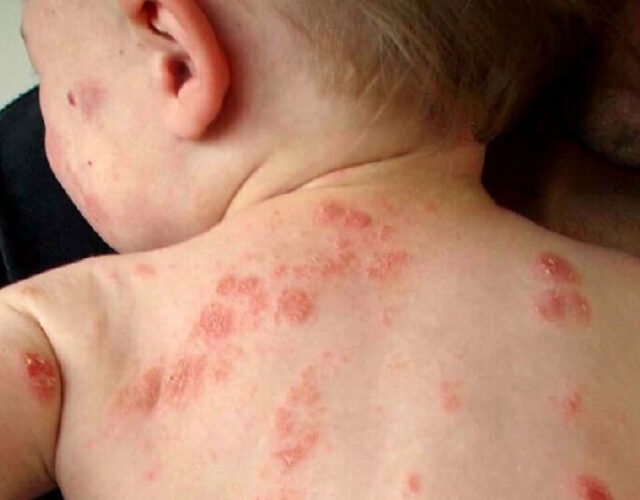
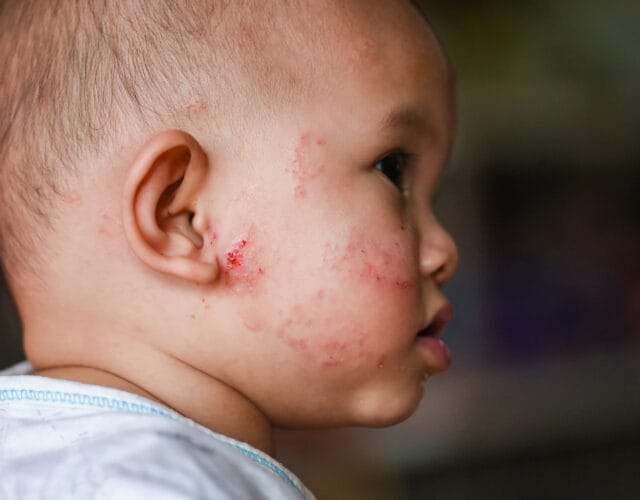
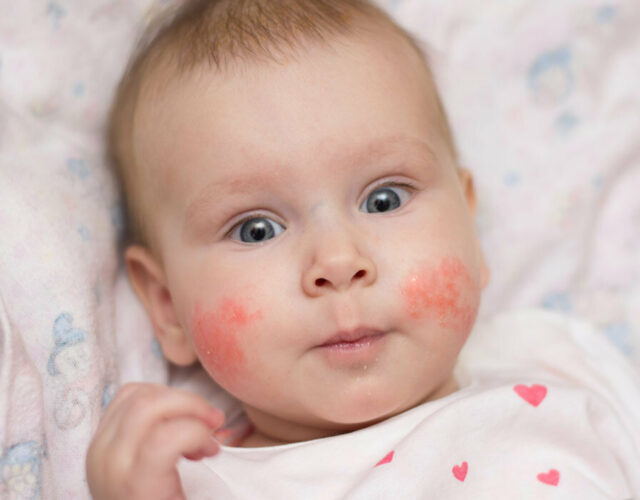
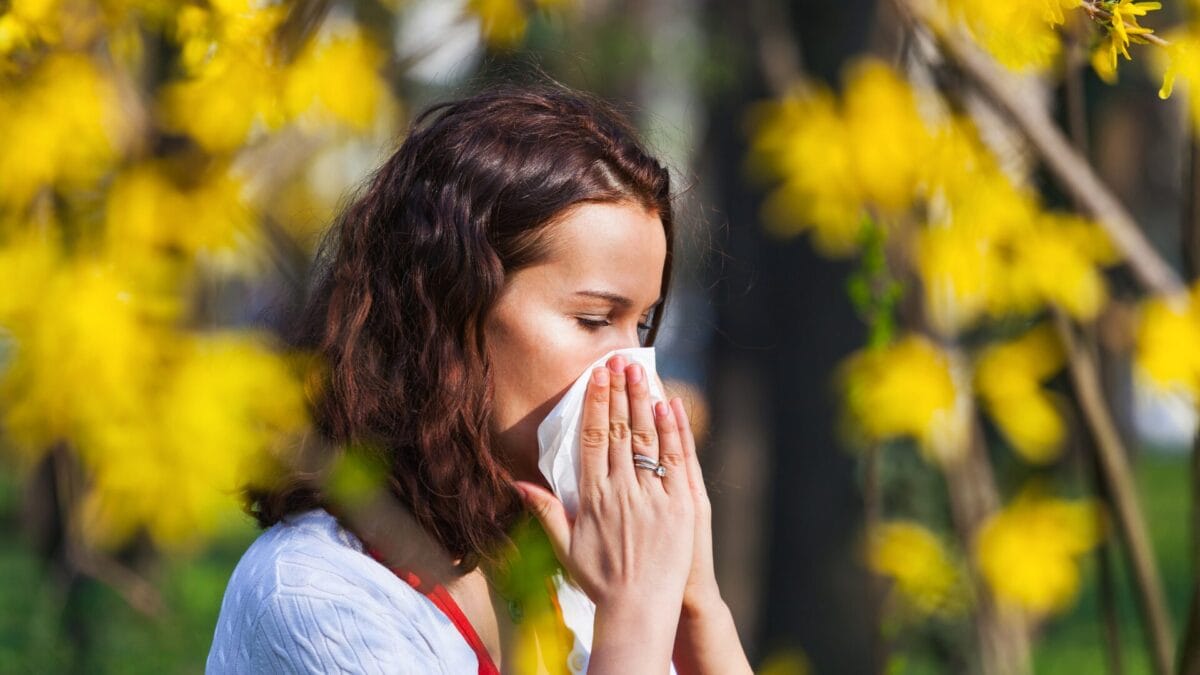
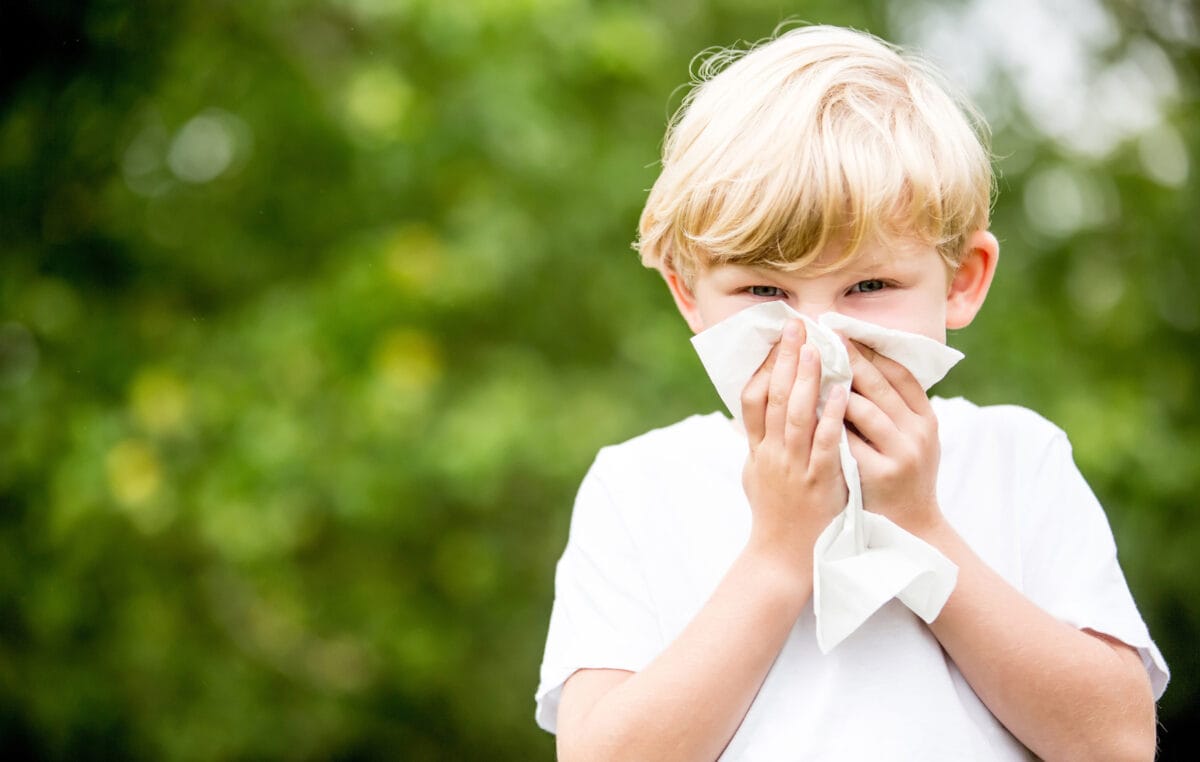
For many families, the changing of the seasons doesn’t mean “pumpkin spice” or “fresh blooms”—it means snot, sneezing, and itchy eyes. Whether it’s the yellow dust of spring or the ragweed riot of fall, seasonal allergies are a sign that the immune system is overreacting to the environment.
Rather than just suppressing symptoms with medication, my approach focuses on stabilizing the immune system and lowering the body’s overall histamine load. Here is your survival guide for the sneeze-filled seasons.
The Seasonal Breakdown
The Seasonal Breakdown
Allergies are often discussed as a monolithic problem, but the “enemy” varies by month. Understanding exactly what is triggering your child’s immune system allows you to be surgical with your strategy. Here is the year-round breakdown of what is happening in the air and how it impacts your family’s “histamine bucket.”
Download your free spring survival guide now
Spring Allergies: The Season of Bloom and Dust
Spring is characterized by a massive release of tree pollen (oak, pine, birch, and maple) followed closely by grasses.
- The Trigger: As the earth warms, trees begin their reproductive cycle, releasing billions of microscopic yellow particles. Because these particles are relatively heavy and sticky, they don’t just stay in the air—they coat your car, your outdoor furniture, and your hair.
- The Strategy: Focus on physical barriers and removal. Think of pollen like “glitter”—once it’s in the house, it’s everywhere. Keep windows shut during high-pollen mornings, and wash hair before bed so pollen doesn’t transfer to the pillowcase.
Summer Allergies: High Heat and High Humidity
As tree pollen dies down, grasses (like Timothy, Bermuda, and Orchard) take over, often peaking in the early summer months.
- The Trigger: It’s not just the grass; it’s the humidity. High moisture levels in the summer air create the perfect breeding ground for outdoor molds, which can be just as irritating as pollen.
- The Strategy: Keep an eye on the “Heat Index.” High-humidity days are often the worst for mold-sensitive kids. Using a dehumidifier indoors to keep levels below 50% can prevent outdoor mold from finding a home inside your walls.
Fall Allergies: The Ragweed Riot
Fall is dominated by Ragweed and Mold spores, which are hidden in decaying organic matter.
- The Trigger: A single ragweed plant can produce up to a billion pollen grains in one season. These grains are incredibly light and aerodynamic; they can travel hundreds of miles on a breeze. Additionally, as leaves fall and rot, they create “mold sandwiches” on the ground.
- The Strategy: Avoid the “Leaf Pile” trap. While jumping in leaves is a childhood rite of passage, for an allergic child, it is like inhaling a concentrated dose of mold and ragweed. If you must rake, ensure your child is indoors with the windows closed, as raking stirs up a “toxic cocktail” of allergens that can linger in the air for hours.
Winter Allergies: The Indoor “Seal-In”
We often think of winter as a break from allergies, but for many, it is the most difficult season because we spend 90% of our time indoors.
- The Trigger: This is the season of indoor allergens. When we turn on the heat, we circulate dust mites, cockroach droppings, and pet dander that have settled in the vents. Because we seal our houses tightly to save energy, these pollutants become concentrated.
- The Strategy: Focus on air quality and bedding. This is the time to use dust-mite-proof mattress covers and to replace your HVAC filters with high-quality HEPA filters. Since there is no “pollen” outside, winter is actually a great time to briefly crack the windows on a sunny day to flush out the stale, allergen-heavy indoor air.
By recognizing that allergies are a 365-day-a-year conversation, you can stop “chasing the sneeze” and start preparing your child’s body for whichever trigger the wind happens to be blowing.
Creating a Sanctuary: Reducing Indoor Allergen Exposure
When we talk about allergy season, we often focus on the “pollen apocalypse” happening outside our front door. However, the average person spends nearly 90% of their time indoors. If your home is filled with dust mites, pet dander, and stagnant air, your immune system never gets a chance to “reset.”
To truly heal, we must make the home—especially the bedroom—a sanctuary. This isn’t about being a “clean freak”; it’s about being strategic. By reducing the invisible triggers in your living space, you lower your child’s total histamine load, allowing their body to handle the outdoor triggers much more effectively.
The Bedroom Reset
- The Dust Mite Fortress: Dust mites are the #1 indoor allergen. They love mattresses and pillows. Use high-quality, zippered, allergen-proof covers for mattresses and pillows to keep them from reaching your child’s airways.
- HEPA is Your Best Friend: Run a high-quality HEPA air purifier in the bedroom 24/7. These filters are fine enough to capture microscopic mold spores, pet dander, and even the “glitter-like” pollen that rides on your clothes.
- Wash Hot: Wash bedding once a week in hot water (at least 130°F) to kill dust mites.
Managing the “Furry Family Members”
- Zones of Peace: I love pets, but they are essentially “pollen magnets.” Keep pets out of the bedrooms entirely. If they sleep on the bed, they are depositing outdoor allergens and dander exactly where your child breathes for 10 hours a night.
- Grooming: Use a damp cloth to wipe down pets when they come inside from a walk, removing “hitchhiking” pollen before it settles into your carpets.
The Air You Breathe
- Ditch the “Fake Smells”: Plug-ins, scented candles, and harsh cleaning chemicals are lung irritants. They act as “histamine liberators,” making the respiratory system much more reactive to actual allergens. Swap them for beeswax candles or high-quality essential oils like lemon and peppermint.
- Control the Humidity: Mold loves a damp environment. Keep your home’s humidity levels between 30% and 50%. If you have a damp basement or live in a humid climate, a dehumidifier is a non-negotiable tool for preventing mold growth.
- The Shoe-Free Rule: This is the easiest and cheapest health hack. Leaving shoes at the door prevents you from tracking in pesticides, heavy metals, and massive amounts of outdoor pollen into your rugs and carpets.
By treating your home as a recovery zone, you provide your family’s immune system with the “downtime” it needs. When the indoor air is clean, the outdoor air becomes much less of a threat.
Reducing Allergies Without Medication
The goal is to lower your “total allergen load.” Think of your body like a bucket; if it’s already half-full of inflammation from food and stress, a little bit of pollen will make it overflow.
- The “Costume Change”: When kids come home from school or play, have them change clothes immediately. Pollen sticks to fabric.
- Nightly Showers: Never go to bed with pollen in your hair. A quick rinse before sleep prevents you from rubbing allergens into your pillowcase all night.
- Windows Shut: I know the breeze feels nice, but during peak pollen times (usually morning for spring, midday for ragweed), keep windows closed and run the AC with a clean filter.
- Shoe-Free Home: We track in pesticides, pollen, and dirt on our shoes. Leave them at the door to keep your sanctuary clean.
Natural Remedies for Allergy Season
Before you head to the pharmacy to stock up on synthetic blockers, it is worth considering the powerful tools Mother Nature and simple hygiene offer. The goal of natural remedies isn’t just to stop the sneeze; it’s to physically remove the triggers from your environment and teach your immune system to be less reactive. By incorporating these holistic habits, you can often reduce or even eliminate the need for over-the-counter drugs.


- Nasal Saline Rinses (Neti Pot): This is the single most effective way to physically remove allergens from the nasal mucosa. Think of it as giving your sinuses a bath. It washes away sticky pollen and dust before they can trigger an inflammatory reaction.
- Local Raw Honey: For children over 12 months old, a teaspoon of local honey daily acts as a natural, gentle vaccine. Because the bees are collecting pollen from the very plants that make you sneeze, consuming their honey introduces tiny amounts of those allergens to your immune system in a way that helps you build tolerance over time.
- Air Purifiers: We spend about a third of our lives in our bedrooms. Running a high-quality HEPA air filter in the bedroom ensures your body has 8 to 10 hours of “recovery time” in a clean-air environment, significantly lowering your total allergen load the following day.
These remedies work because they address the environment and the physical presence of allergens, providing a clean slate for your body to heal.
Top Allergy Supplements
While lifestyle changes are the foundation, targeted supplementation can provide the extra “muscle” needed to stabilize a haywire immune system. I call these my “Big Four” for allergy relief. Unlike traditional meds that often cause a “rebound effect” or grogginess, these nutrients work by supporting the body’s natural chemistry and stabilizing the cells that trigger allergic symptoms.
- Quercetin: Often called “Nature’s Benadryl,” Quercetin is a powerful antioxidant found in the skins of apples and red onions. It works by stabilizing mast cells—the “security guards” of your immune system—preventing them from bursting and spilling histamine into your bloodstream.
- Stinging Nettle: This natural antihistamine has been used for centuries. It helps block the body’s receptors that receive histamine signals, effectively turning down the volume on your allergy symptoms.
- Vitamin C: Beyond just being an immune booster, Vitamin C is a potent natural antihistamine. It helps speed up the breakdown of histamine in the body, helping you recover from a “histamine spike” much faster.
- Bromelain: Found naturally in pineapples, this enzyme is a fantastic “synergist.” It increases the absorption of Quercetin and helps thin out thick nasal mucus, making it much easier to breathe during peak ragweed or pollen seasons.
Using these supplements is about being proactive. When you provide your body with the right building blocks, you move from a state of “reacting” to a state of “resilience,” allowing you to enjoy the outdoors without the dread of the seasonal slump.
How to Reduce Histamine Naturally Through Diet
When it comes to allergies, I often talk about the “Histamine Bucket.” We all have one. Your bucket gets filled by pollen, pet dander, and stress—but a major source of “overflow” is the food on your plate. If your bucket is already sloshing at the rim because of environmental triggers, eating high-histamine foods is what causes the itchy eyes and runny nose to spill over.
By adjusting your diet, you aren’t just avoiding “triggers”; you are actively lowering the chemical volume in your body. This allows your immune system to calm down and your mast cells—those “pinatas” of the immune system—to stop bursting at every speck of dust. Here is how to eat your way to a clearer nose and calmer skin:
Foods to Avoid (The Histamine Liberators):
- Fermented Foods: While usually healthy for the gut, foods like sauerkraut, vinegar, soy sauce, and kombucha are histamine powerhouses because the fermentation process naturally increases histamine levels.
- Aged Cheeses: The longer a cheese sits (like Parmesan or blue cheese), the more histamine it accumulates.
- Cured Meats: Salami, pepperoni, and sausages are high in both histamines and nitrates, which can be a double-whammy for allergy sufferers.
- Artificial Additives: Food dyes and preservatives don’t just affect behavior; they act as “sticks” that smash open your mast cells, triggering a massive histamine release.
Foods to Enjoy (The Anti-Inflammatory Allies):
- Fresh Meats & Fish: Histamine levels in protein rise the longer they sit. Always opt for meat and fish that are cooked fresh or frozen immediately after harvest.
- Quercetin-Rich Foods: Mother Nature provided her own antihistamines. Focus on red onions, apples (keep the skin on), berries, and capers to naturally stabilize your cells.
- Local Bee Pollen: Think of this as a delicious form of “micro-dosing” your local environment. Start with just a few granules a day to help your immune system recognize that local flora is a friend, not a foe.
The goal isn’t to live in a state of restriction forever. It’s about being strategic during your “high-load” seasons. By choosing fresh, vibrant, anti-inflammatory foods, you give your body the breathing room it needs to handle the pollen outside without a total meltdown.
10 Alternative Allergy Medicines for Kids
When your child is struggling with a “snot-nose,” itchy eyes, and a constant cough, the reflex for many parents is to reach for the pink liquid or the rapid-melt antihistamine. While these over-the-counter drugs can stop a runny nose in its tracks, they often come with a hidden cost: drowsiness, behavioral “revving,” and the fact that they only mask the symptoms without addressing the underlying immune confusion.
Choosing natural alternatives matters because we want to teach the immune system how to behave, not just shut it down. By using plant-based stabilizers and mineral support, we can provide relief while actually strengthening your child’s defenses. Here is my go-to “Holistic Medicine Cabinet” for children:
- Saline Nasal Rinse: (Xlear or simple saline) – This is the gold standard. Physically washing the pollen and dust out of the nasal passages prevents the immune system from reacting in the first place.
- Local Raw Honey: This acts as nature’s “micro-immunotherapy.” By consuming honey from your zip code, your child is exposed to tiny amounts of local pollen, helping their body build tolerance (Ensure child is age 1+).
- Quercetin: Think of this as a “security guard” for your cells. It stabilizes the mast cells so they don’t “pop” and release the histamine that causes itching and swelling.
- Stinging Nettle: A time-tested botanical that works as a natural antihistamine. It is wonderful as a cooled tea with a bit of honey or in a kid-safe tincture.
- Probiotics: Specifically, Lactobacillus rhamnosus. Since 70% of the immune system resides in the gut, a healthy microbiome is essential for reducing allergic responses.
- Vitamin D: Low levels of the “sunshine vitamin” are strongly linked to higher rates of seasonal allergies and asthma. It is a critical regulator of the immune system.
- Vitamin C: This is a potent, natural antihistamine. It helps the body break down histamine faster once it has been released into the bloodstream.
- Bromelain: An enzyme derived from pineapples that helps reduce swelling in the nose and sinuses, making it much easier for congested kids to breathe.
- Butterbur: Research has shown this herb can be just as effective as some popular over-the-counter antihistamines but without the grogginess (Always use “PA-free” labeled versions for safety).
- Omega-3s: High-quality fish oil helps lower systemic inflammation. When the “baseline” inflammation in the body is low, your child is much less likely to have an explosive reaction to a little bit of ragweed or oak pollen.
The beauty of these alternatives is that they work with your child’s physiology rather than against it. By swapping out synthetic blockers for these natural supporters, you aren’t just surviving the current allergy season—you are setting your child up for a more resilient, less reactive future.