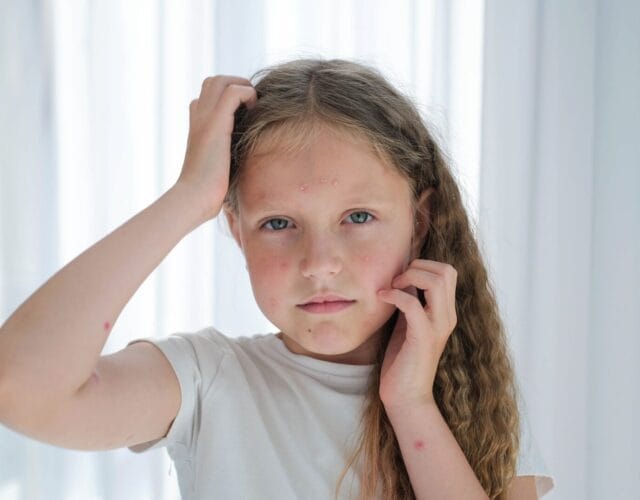
In my clinic, I am always looking for ways to speed up the healing of the skin barrier while we do the heavy lifting of fixing the gut. Recently, one of the most common questions I get is about Red Light Therapy (RLT). Is it just a fancy, expensive glow, or can it actually quiet the “fire” of eczema?
The science of light, specifically red and near-infrared wavelengths, is fascinating. Unlike the UV rays from the sun that can damage skin, these specific wavelengths penetrate deep into the tissue to talk to your cells’ powerhouses: the mitochondria.
Explore Our Eczema Creams Guide To Find The Right Treatment for You
The Science: How Light Heals the Skin
Red light therapy (wavelengths between 630–670nm) and near-infrared light (810–850nm) work through a process called photobiomodulation.
- Mitochondrial Boost: The light stimulates the mitochondria to produce more ATP (energy). When your skin cells have more energy, they can repair the barrier faster.
- Reduced Inflammation: RLT has been shown to decrease pro-inflammatory cytokines, which are the “messengers” that tell your skin to be red, itchy, and swollen.
- Collagen Production: It stimulates fibroblasts to create collagen, helping to “knit” together skin that has been thinned out by chronic scratching or steroid use.
- Microbiome Balance: Emerging research suggests that light therapy may help balance the skin’s microbiome, making it less hospitable to Staphylococcus aureus.
The Research: Does It Work for Eczema?
While many people are familiar with “light boxes” at the dermatologist (which often use UV light), Red Light Therapy is different because it is non-ionizing and doesn’t carry the same skin cancer risks.
Recent studies have shown that patients using RLT experienced:
- Reduced Itch Intensity: Significant decreases in the “maddening” itch that leads to the itch-scratch cycle.
- Faster Wound Healing: For those with “weeping” or cracked eczema, RLT can accelerate the closing of the skin barrier.
- Improved Sleep: By reducing itch and helping regulate circadian rhythms, many patients find they sleep better when the body is at its best for repair.
Dr. Ana-Maria’s RLT Protocol
1. Quality Over Everything
Not all “red lights” are the same. A cheap LED strip from the hardware store won’t work. You need a device that delivers a specific “irradiance” (power) and correct wavelengths. Look for third-party tested brands.
2. Consistency is Key
This isn’t a one-and-done treatment. To see results, you typically need sessions of 10–20 minutes, 3 to 5 times per week.
3. Eye Protection
Even though red light is generally safe, it is very bright. Always use the provided blackout goggles, especially when treating the face or working with children.
Frequently Asked Questions
Is it safe for children? Yes, RLT is generally considered safe for children when used correctly and with eye protection. It’s a great “no-touch” therapy for kids who are tired of being slathered in creams.
Can I use it during a flare-up? Absolutely. Because it is non-thermal (it doesn’t get hot), it won’t “burn” the skin like a heating pad or hot water would. It helps cool the internal inflammatory response.
Red Light Therapy for Eczema
Red light therapy is a beautiful marriage of modern technology and biological support. It gives your cells the “fuel” they need to repair a broken barrier and calm an overactive immune system. While it won’t fix a bad diet, it is a powerful ally in the journey to clear, comfortable skin.